
Dreaming about flying?
Make that dream a reality with Rocky Mountain Flight School
How Do I Become a Pilot?
It’s one of the most rewarding journeys you can take. It begins with the excitement of your first flight and grows into a lifelong pursuit of skill, knowledge, and confidence. Along the way you’ll learn how to make good aeronautical decisions, master new challenges, and experience the freedom of flight from a perspective few people ever see.
To get started:
Fill out a Rental Agreement
Read our Club Rules
Read the Checkout Minimums
Find your aircraft’s POH here
Find your aircraft’s Weight & Balance under “Links” here
For our Broomfield location reach us at:
info@rmflight.com OR +1 (303) 465 4600For our Longmont location reach us at:
admin-klmo@rmflight.com OR (303) 990-9886
-
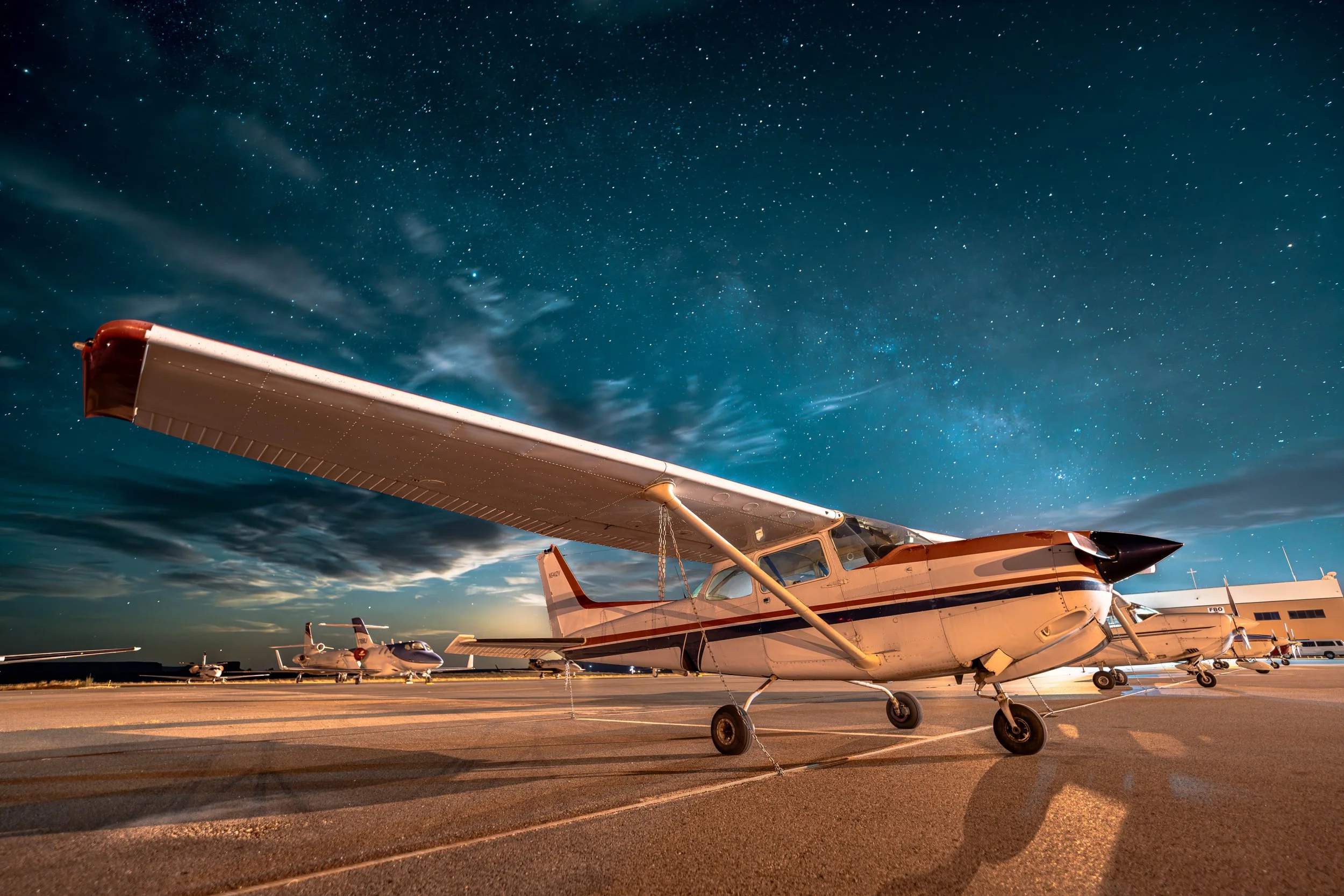
Do you want to fly for fun? Do you want to fly for a career? Whatever your mission, opportunities abound in aviation. Your training will be most successful if you have a goal to shoot for before starting.
-
We are a pilot-driven training community built on initiative, accountability, and care. We tend to be a great fit for motivated pilots who want to move efficiently because they are actively engaged in their training.
Pilots who thrive here tend to:
Take ownership of their training and schedule
Ask questions and advocate for themselves
Prepare outside of flight time
Take initiative when something matters to them
Our training environment works best for people who:
Want instructors who challenge them
Are open to direct, constructive feedback
Reflect on mistakes and use them to improve
Understand that progress happens both in and out of the airplane
Our community is built on:
Respect for instructors, staff, and fellow pilots
Shared standards and accountability
Good judgment and decision-making
A genuine commitment to safety
Flying is a privilege, not a right. That privilege is maintained through sound judgment.
When we may not be the best fit
If someone else is managing your training
If you’re primarily looking for the quickest or least involved path
If you expect flexibility without accountability
If you prefer a highly structured, step-by-step program
There are many excellent programs that serve those goals well.
We approach training with the goal of a mutual fit and are intentional about the environment we build.
-
At Rocky Mountain the first lesson is designed specifically for potential students who are seriously interested in training with us. You will spend an hour in the skies with one of our qualified Certified Flight Instructors (CFI) getting a feel for what a small airplane is like. They may even let you fly!
-
You did the intro flight, and can’t get enough. We know the feeling!
Your next step is to fill out the , and submit all required identification documents to the front desk in person.
We’ll match you with one of our CFI’s and off you go as a student pilot!
Training for Every Level
Whether your goal is to fly for fun, travel with family, or pursue a professional aviation career, our training programs are designed to guide you every step of the way. From your first lesson to advanced ratings and instructor certificates, we provide the structure, mentorship, and real-world experience you need to become a confident, capable pilot.
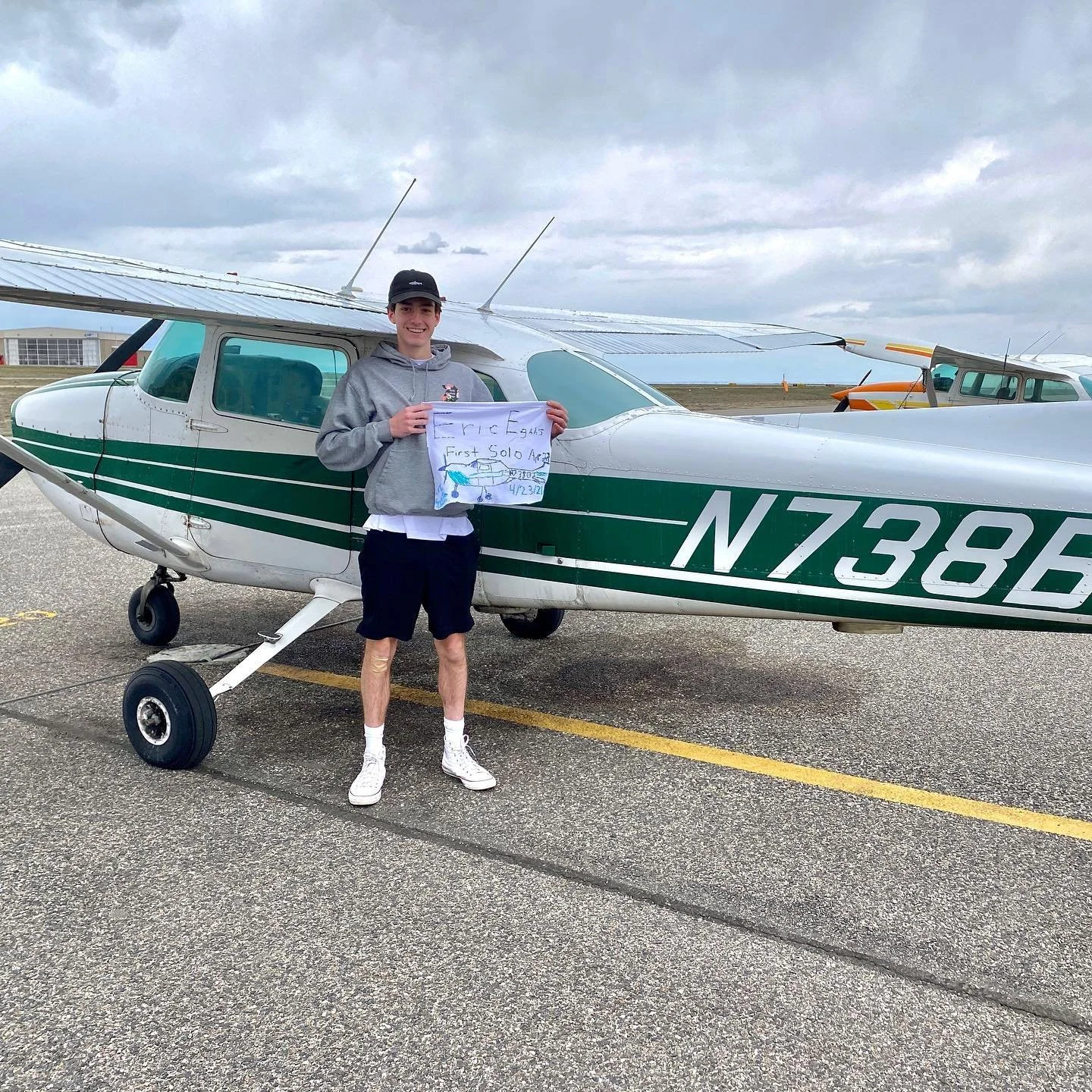
Private Pilot Certificate
A Private Pilot Certificate (PPL) allows you to fly a wide range of aircraft, carry passengers, and operate day or night, as long as you have the appropriate training, ratings, and endorsements. While private pilots cannot fly for compensation or hire, they may legally share flight expenses with passengers. You will start as a student pilot, working closely with a Certified Flight Instructor (CFI) who provides flight and ground training to prepare you for the FAA written and practical exams. After successfully completing the practical exam with an FAA Designated Pilot Examiner (DPE), you are officially a private pilot.
-
Average Cost Breakdown
Aircraft average, ~$123/hr for 70 hours*—$8330
Primary instruction, $50/hr for 50 hours*—$2500
Supplies: iPad, ground school, headset—$1200
Written Exam—$175
Approximate total: ~$12,500
-
Call us at (303) 465-4600 and schedule an Introductory Flight
You will be paired with one of our CFIs for you first flight.
If you want to start training with us, fill out the New Student Documents and submit them to the front desk in person or to info@rmflight.com.
Make sure you get your CFI’s contact information so you can coordinate directly with them. While management is always here to help, it’s usually best for students and CFI’s to work together directly after that first flight.
-
You will need to acquire an FAA Medical Certificate and a Student Pilot Certificate prior to receiving your PPL. Your CFI will guide you through that process.
The PPL Certificate requirements, as specified in 14 CFR Part 61, Subpart E are summarized here:
Application Requirements
Be at least 17 years old (16 for solo flight)
Be able to read, speak, write, and understand English
Hold at least a Third-Class FAA Medical Certificate (or BasicMed if applicable)
Receive instructor endorsements for solo flight, the knowledge test, and the practical exam
Knowledge Requirements
You must pass the FAA Private Pilot Knowledge Test, which covers topics such as:
Aerodynamics and aircraft systems
Airspace and FAA regulations
Weather theory and interpretation
Navigation and flight planning
Aeronautical decision-making and risk management
Experience Requirements
You must log at least 40 hours of total flight time, including:
Dual Instruction (20 Hours)
3 hours of cross-country flight training
3 hours of night flight training, including:
One cross-country flight over 100 NM
10 takeoffs and 10 landings at night
3 hours of instrument training
3 hours of checkride preparation within two calendar months of the practical test
Solo Flight (10 Hours)
5 hours of solo cross-country flight
One solo cross-country flight of at least 150 NM total distance with landings at three airports and one leg of at least 50 NM
3 solo takeoffs and landings at an airport with an operating control tower
-
Additional Links:
Ground Schools:
-
Download the “How to Become a Pilot” guide.
Check out Aircraft Owners and Pilots Association (AOPA) and Experimental Aircraft Association (EAA). They have great articles on what it takes to become a pilot.
YouTube can be a good source of information. But not all channels are created equal! Fly8MA and The Finer Points have some great videos for folks wanting more information.
Call us at (303) 465-4600.
*Although you can technically complete training in as little as 40 hours, we recommend budgeting for about twice that. With every pilot rating the goal is demonstrated proficiency, which in a busy airspace like Denver tends to take about 70-80 hours for most dedicated students.
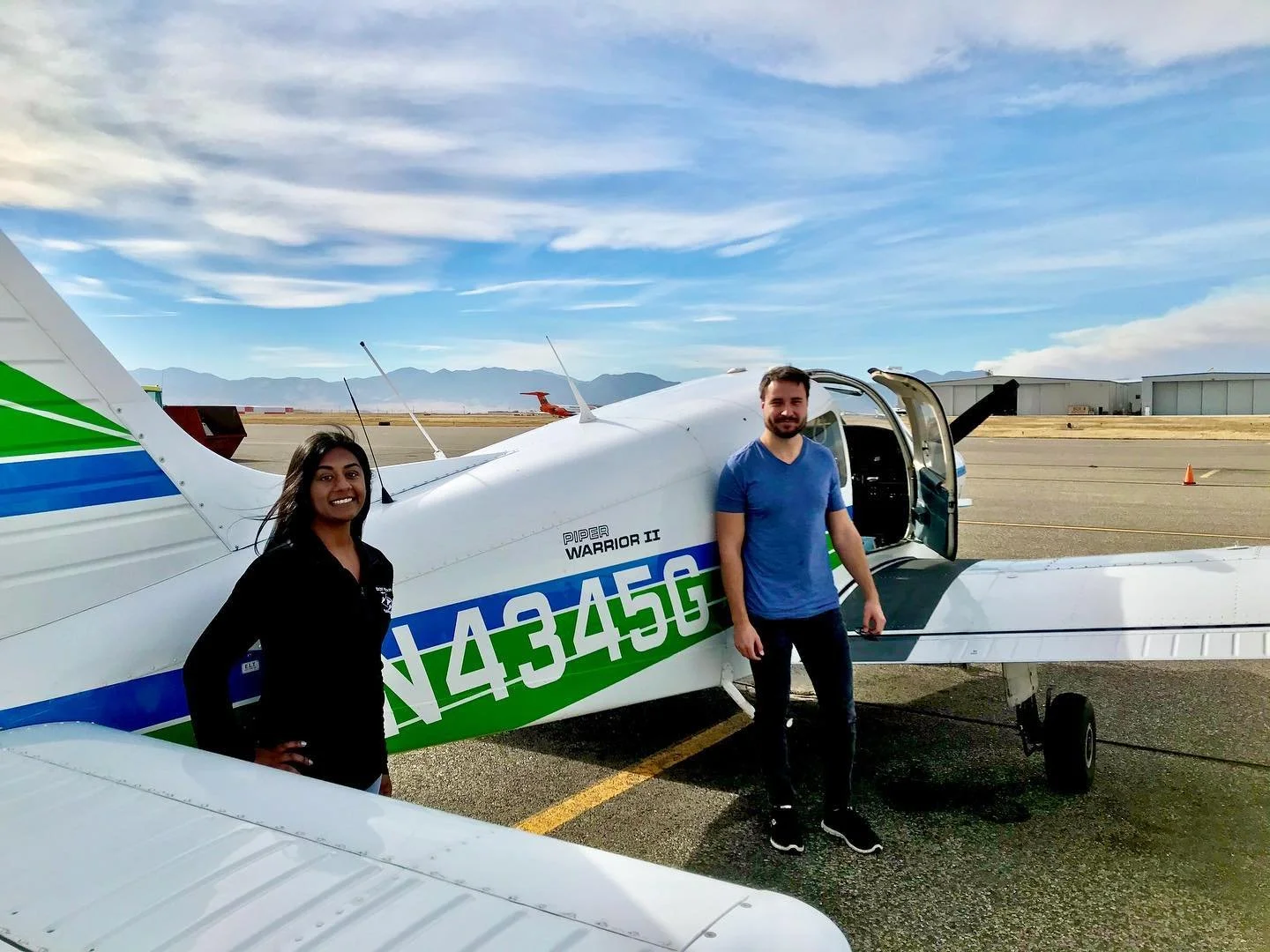
Instrument Rating
The Instrument Rating takes your flying to the next level by teaching you to safely operate in clouds, reduced visibility, and complex airspace using only your instruments. Through a combination of ground instruction, simulator training, and real-world flight experience, you’ll learn precision approaches, IFR procedures, advanced weather decision-making, and the discipline required to operate in the National Airspace System under Instrument Flight Rules. Beyond increasing safety, the instrument rating dramatically expands your travel flexibility and is an essential step for any pilot no matter your goals.
-
Average Cost Breakdown
Aircraft average, ~$119/hr for 40 hours*: $4760
Advanced instruction, $52/hr for 30 hours*: $1560
Written Exam: $175
Checkride: $800-$1,000
Approximate total: $7,500
-
Call us at (303) 465-4600 and tell the front desk you are interested in instrument training. They will connect you with one of our CFII’s.
Fill out the New Student Documents and submit them to the front desk in person or to info@rmflight.com. If you are an existing student, we should have your paperwork already. However, it is a good idea to ask the front desk if they need anything else from you.
Make sure you get your CFII’s contact information so you can coordinate directly with them. While management is always here to help, it’s usually best for students and instructors to work together directly.
-
The Instrument Rating requirements, as specified in 14 CFR 61.65, are summarized here:
Application Requirements
Hold at least a Private Pilot Certificate (or be concurrently applying)
Be able to read, speak, write, and understand English
Aeronautical Knowledge
You must pass the FAA Instrument Rating Knowledge Test, which covers topics such as:
IFR regulations and procedures
Instrument navigation systems
IFR charts and approach procedures
Weather theory, interpretation, and hazards
National Airspace System operations
Flight Experience Requirements
Cross-Country Experience (50 Hours)
50 hours of cross-country flight time as Pilot in Command (PIC)
At least 10 hours in airplanes for an instrument-airplane rating
Instrument Time (40 Hours)
40 hours of actual or simulated instrument time
At least 15 hours of instrument flight training with an authorized instructor
IFR Cross-Country Requirement
One IFR cross-country flight of at least 250 nautical miles
Must include instrument approaches at three different airports
Must include three different types of instrument approaches (ex: ILS, VOR, GPS)
-
Additional Links:
Matt Beyer’s Lesson Outline
Opposing Bases podcast
Sheppard Air (Test Prep)
Instrument Ground Schools:
-
Check out Aircraft Owners and Pilots Association (AOPA) and Experimental Aircraft Association (EAA). They have great articles on instrument flying.
YouTube can be a good source of information. But not all channels are created equal! Fly8MA and Flight Insight have some great videos for folks wanting more information.
Call us at (303) 465-4600 to start training!
*Although you can technically complete training in as little as 40 hours, we recommend budgeting for about twice that. With every pilot rating the goal is demonstrated proficiency, which in a busy airspace like Denver tends to take about 70-80 hours for most dedicated students.
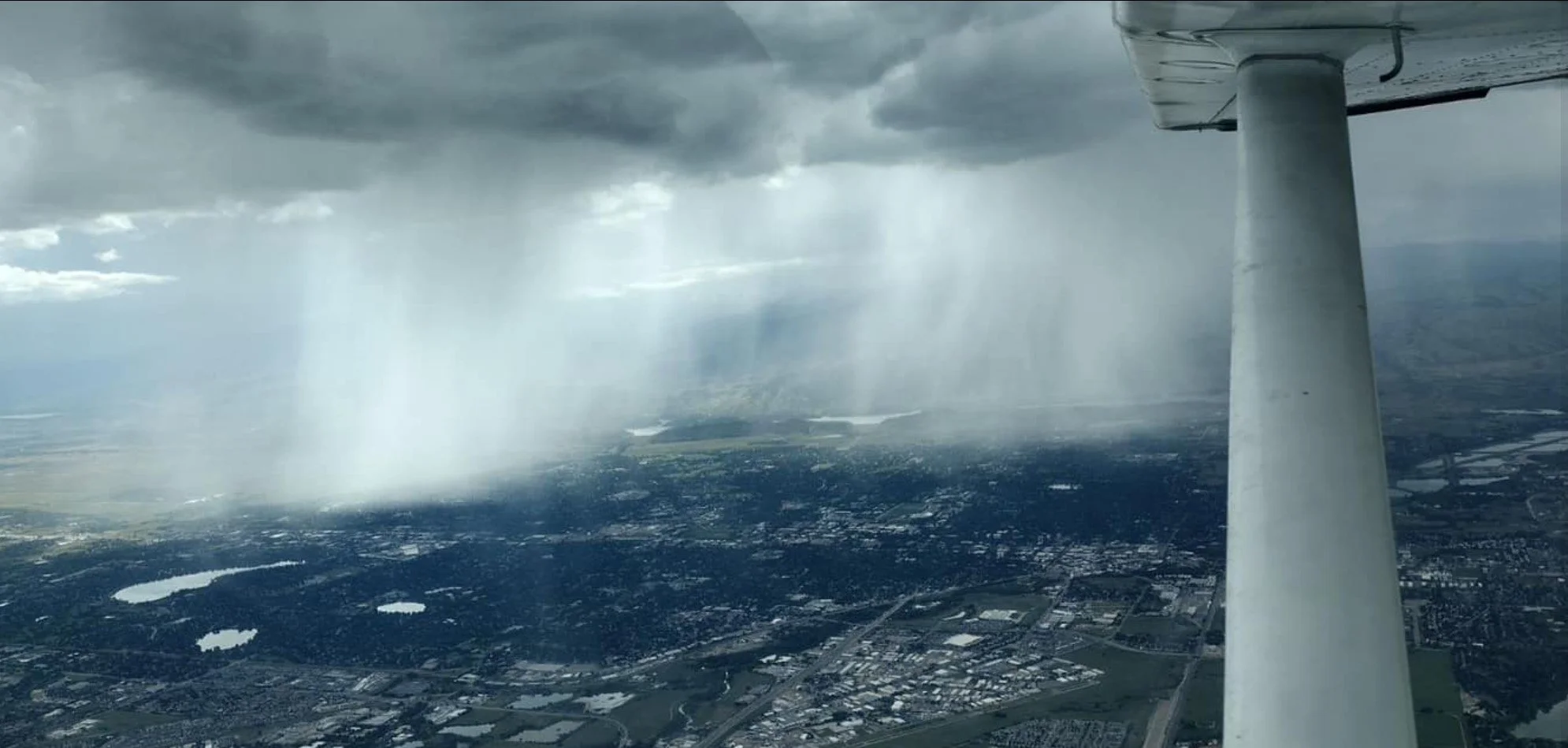
Commercial Certificate
The Commercial Pilot Certificate is where skill becomes mastery. This phase of training sharpens your precision, decision-making, and aircraft control to a professional standard. You’ll refine advanced maneuvers, develop consistency in performance, and learn to operate with the discipline and judgment expected of a paid pilot. Whether your goal is to instruct, fly charter, or pursue an airline career, the commercial certificate builds the foundation of professionalism and confidence that separates recreational pilots from career aviators.
-
Average Cost Breakdown
Aircraft, ~$119/hr for 20 hours*: $2,380
TAA/Complex Time, ~$140/hr for 10 hours: $1,400
Advanced instruction, $52/hr for 20 hours*: $1040
Written Exam: $175
Checkride: $800 to $1,000
Approximate total: ~$6,000
-
Call us at (303) 465-4600 and tell the front desk you are interested in Commercial training. They will connect you with one of our CFI’s.
Fill out the New Student Documents and submit them to the front desk in person or to info@rmflight.com. If you are an existing student, we should have your paperwork already. However, it is a good idea to ask the front desk if they need anything else from you.
Make sure you get your CFI’s contact information so you can coordinate directly with them. While management is always here to help, it’s usually best for students and instructors to work together directly.
-
The Commercial Pilot requirements, as specified in 14 CFR 61, Subpart Fare summarized here:
Application Requirements
Hold a Private Pilot Certificate
Be able to read, speak, write, and understand English
Receive instructor endorsements for both the knowledge test and practical exam
Knowledge Requirements
You must pass the FAA Commercial Pilot Knowledge Test, which covers advanced topics such as:
Aircraft performance and advanced aerodynamics
Complex aircraft systems
Commercial pilot regulations and operations
Weather theory and interpretation
Cross-country planning and decision-making
National Airspace System operations
Core Flight Experience
250 hours of total flight time including:
100 hours in powered aircraft (50 in airplanes)
100 hours as Pilot in Command (PIC)
50 hours of cross-country time
Advanced Training (20 Hours)
10 hours of instrument training
10 hours in a complex, turbine, or technically advanced aircraft (TAA)
One 2-hour daytime cross-country over 100 NM
One 2-hour nighttime cross-country over 100 NM
3 hours of checkride preparation within 2 calendar months of your practical test
Solo / PIC Experience (10 Hours)
A 300 NM cross-country flight with three landings, including one leg at least 250 NM straight-line distance
5 hours of night VFR with 10 takeoffs and 10 landings at a towered airport
-
-
Check out Aircraft Owners and Pilots Association (AOPA)and Experimental Aircraft Association (EAA). They have great articles on instrument flying.
YouTube can be a good source of information. But not all channels are created equal! Fly8MA and Flight Insight have some great videos for folks wanting more information.
Call us at (303) 465-4600 to start training!
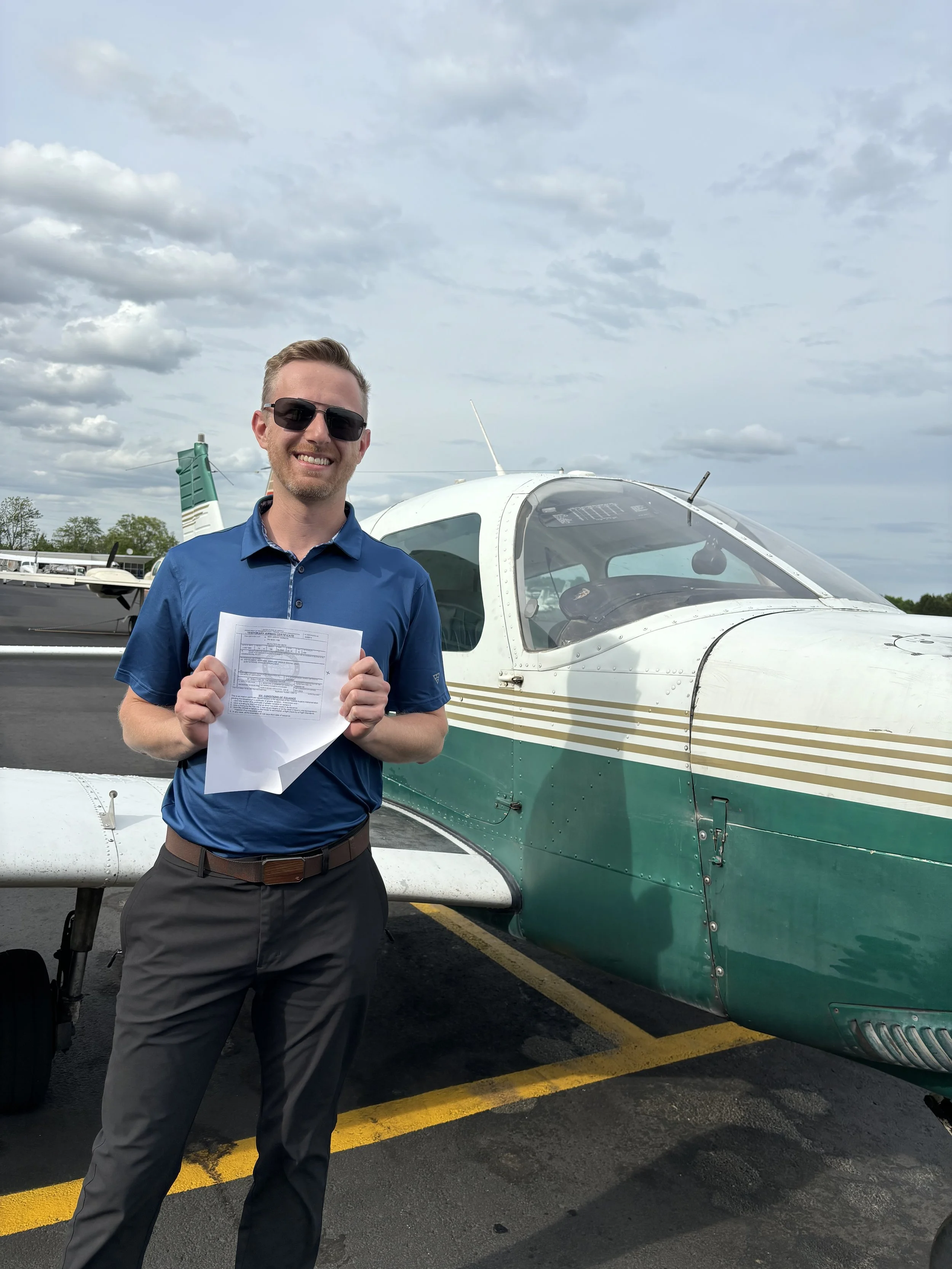
*Although you can technically complete training in as little as 40 hours, we recommend budgeting for about twice that. With every pilot rating the goal is demonstrated proficiency, which in a busy airspace like Denver tends to take about 70-80 hours for most dedicated students.
Multi-Engine Rating
The Multi-Engine Rating introduces you to the performance, systems, and decision-making required to operate aircraft with more than one engine. You’ll learn multi-engine aerodynamics, engine-out procedures, minimum controllable airspeed (Vmc) demonstrations, and the disciplined aircraft control required for a more powerful aircraft. This training emphasizes precision, systems management, and situational awareness. Whether you’re building toward a career or expanding your qualifications, the multi-engine rating is a critical step in becoming a more capable pilot.
-
Average Cost Breakdown
Piper Seminole, $234/hr for 15 hours*: $3,510
Multi-Engine instruction, $55/hr for 15 hours*: $825
NO written test
Checkride: $1,000 to $1,200
Approximate total: ~$5,500
-
Call us at (303) 465-4600 and tell the front desk you are interested in Multi-Engine training. They will connect you with one of our MEIs.
Fill out the New Student Documentsand submit them to the front desk in person or to info@rmflight.com. If you are an existing student, we should have your paperwork already. However, it is a good idea to ask the front desk if they need anything else from you.
Make sure you get your MEI’s contact information so you can coordinate directly with them. While management is always here to help, it’s usually best for students and instructors to work together directly.
-
The Multi-Engine rating requirements, as specified in 14 CFR 61.63 and the Airman Certification Standards are summarized here:
Application Requirements
Hold at least a Private Pilot Certificate (or higher)
Be able to read, speak, write, and understand English
Receive a logbook endorsement from an authorized instructor
Experience Requirements
No inherent hour requirements beyond the existing Commercial or Private certificate requirements.
You must be proficient in the operation of a multi-engine aircraft as determined by the MEI that endorses you for the checkride.
Training Requirements
Vmc demonstrations
Accelerate-stop and accelerate-go performance concepts
Engine-out performance and limitations
Multi-engine fuel, electrical, and propeller systems
Weight and balance considerations
Performance calculations
Engine failure recognition and response
Single-engine approaches and landings
Emergency procedures and checklist discipline
-
Additional Links:
Matt Beyer’s Lesson Outline
Sheppard Air (Test Prep)
Even though the multi-engine rating does not require a ground school course or knowledge test, some students find it helpful to go through more formalized ground training. Here are a couple recommendations:
-
The best place you can go for more information is your MEI. With advanced ratings it is usually best to discuss questions or concerns with your instructor.
YouTube can be a good source of information. But not all channels are created equal! Fly8MA and Thrust Flight have some great videos for folks wanting more information about multis.
Call us at (303) 465-4600 to start training!
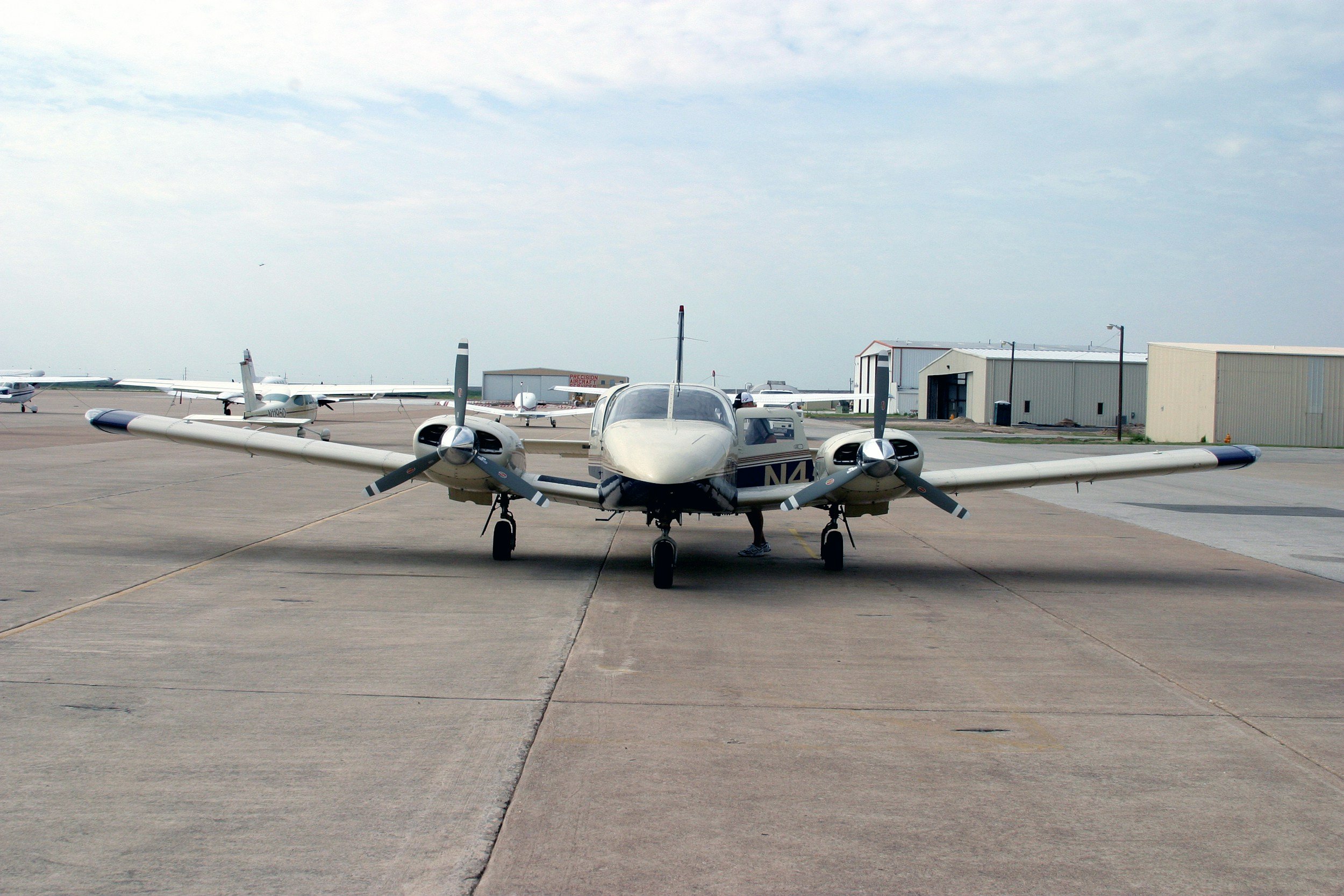
*Since this rating is based solely on proficiency, it is difficult to predict the amount of hours you will need with an instructor. Most are proficient within 10-20 hours, but that all depends on the individual.
Flight Instructor
Becoming a Certified Flight Instructor (CFI) is where your growth as a pilot comes full circle. Now it’s your turn to inspire, mentor, and guide others as they begin the same journey you’ve completed. Instructor training challenges you to think deeper, communicate clearly, and hold yourself to an even higher standard of precision and professionalism. As you teach, you continue refining your own skills — strengthening judgment, sharpening knowledge, and developing the leadership qualities that define a truly professional aviator.
After obtaining your CFI certificate, you are eligible for a Certified Flight Instrument (CFII) or Multi-Engine Instructor (MEI) certificate. Here we will focus on the CFI certificate. However, if you want more information about other instructor certificates please give us a call.
-
Average Cost Breakdown*:
Single-Engine Aircraft, $119/hr for ~20 hours: $2,380
Advanced Instruction, $52/hr for ~30 hours: $1,560
FOI and FIA Written Tests: $350
Checkride: $1,000 to $1,500
Approximate total: ~$5,800
-
Call us at (303) 465-4600 and tell the front desk you are interested in Flight Instructor training. They will connect you with one of our two-year CFIs. (Only CFIs who have had their certificate for 24 months or longer can sign off CFI applicants)
Fill out the New Student Documents and submit them in person to the front desk in person or to info@rmflight.com. If you are an existing student, we should have your paperwork already. However, it is a good idea to verify the front desk has all the information they need from you.
Make sure you get your CFI’s contact information so you can coordinate directly with them. While management is always here to help, it’s usually best for students and instructors to work together directly.
-
While each instructor rating (CFI, CFII, MEI) has specific testing standards, the core requirements as specified in 14 CFR 61, Subpart H are summarized below.
Application Requirements
Hold at least a Commercial Pilot Certificate or ATP
Hold an Instrument Rating (required for CFI-Airplane)
Be able to read, speak, write, and understand English
Receive endorsements from an authorized instructor
Experience Requirements
No inherent hour requirements beyond existing Commercial or ATP certificate requirements.
For the sake of training and testing you still need to be able to act as PIC under your current FAA pilot certificates. Instructor certificates are NOT a substitute for your pilot certificates. It is simply an additional privilege.
Knowledge Requirements
Fundamentals of Instructing (FOI) Written Test
Flight Instructor Airplane (FIA) Written Test
Training Requirements
Become proficient in understanding and teaching of FOI principles
Learning process
Human behavior
Effective teaching methods
Risk management and instructor responsibilities
Areas of Operation (Per Applicable ACS/PTS)
Demonstrating and teaching required maneuvers
Endorsement requirements and regulations
Scenario-based instruction
Spin training (required for CFI-Airplane initial)
-
-
The best place you can go for more information is your CFI. With advanced ratings it is usually best to discuss questions or concerns with an instructor.
If you don’t have a CFI, call us at (303) 465-4600 or and the front desk can help you schedule a time with a Rocky Mountain CFI.
YouTube can be a good source of information. But not all channels are created equal! Todd Shellnut and Fly8MA have some great videos for folks wanting more information.
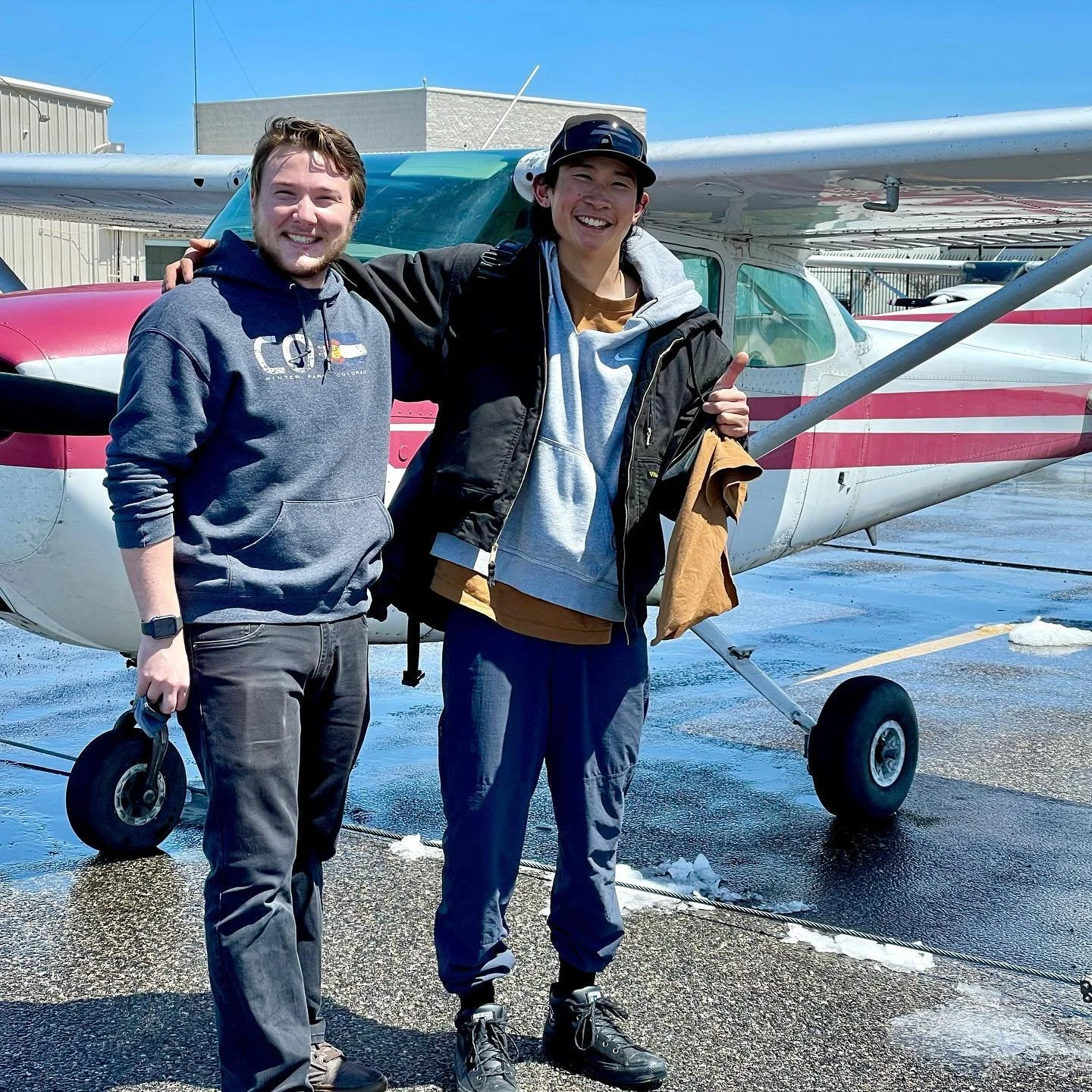
*Since this rating is based solely on proficiency, it is difficult to predict the amount of hours you will need with an instructor. Additionally more of your time will be spent in the classroom learning how to teach versus how to fly. Additionally many CFI candidates form study groups to better facilitate the learning process.
Other Training
A good pilot is always learning. Whether you’re pursuing an ATP certificate, completing complex or high-performance endorsements, learning mountain flying techniques, or simply staying sharp with a flight review, these programs provide focused instruction tailored to your goals. No matter where you are in your flying journey, continued training keeps you safer, sharper, and ready for the next step.
-
Flying in mountainous terrain presents unique challenges including rapidly changing weather, density altitude considerations, and route planning. Our mountain flying training focuses on safe operating techniques, terrain awareness, performance planning, and real-world decision-making to help you confidently operate in high elevation environments.
General Guidelines:
Checkout must be completed with an RMFS instructor and documented on file
A mountain flight is defined as: West of the Continental Divide, and/or over terrain at or above 10,000 ft MSL
Cessna 152 aircraft are not permitted west of the Boulder Flatirons, CO without prior approval from the Assistant Chief or Chief Pilot.
While there is no FAA endorsement for mountain flying, we require any pilots flying RMFS aircraft into the mountains to complete mountain training and receive an endorsement from the CFI that trained you.
For more information about our mountain flying curriculum, visit mattbeyer.com. Matt is our Director of Safety and heads up our mountain flying program.
-
If you want to fly an aircraft that is powered by an engine that generates over 200 horsepower, you will ned a High Performance Endorsement (HPE). Many pilots get their HPE throughout the course of their primary training with us. We have a couple Cessna 182s and a Mooney M20C that we train in.
Because it is an endorsement, no knowledge test or checkride is necessary. Once your CFI is confident in your abilities to safely and proficiently fly a high performance aircraft you will receive the endorsement.
Complex & High-Performance Quiz
See 14 CFR 61.31for FAA requirements.
-
If you want to fly an aircraft that has flaps, retractable landing gear, and a constant speed prop, you will ned a Complex Endorsement. Many of our pilots obtain their complex endorsement throughout their Commercial or Multi-Engine training.
You can get this endorsement in our Piper Arrows, Cessna 172RGs, Cessna 182RG, Mooney M20C, or Piper Seminoles. You can find more out about our fleet on our Aircraft page.
Because it is an endorsement, no knowledge test or checkride is necessary. Once your CFI is confident in your abilities to safely and proficiently fly a complex aircraft you will receive the endorsement.
Complex & High-Performance Quiz
See 14 CFR 61.31 for FAA requirements.
-
A flight review is required every 24 months for pilots to legally act as Pilot in Command (PIC). A checkride for a new certificate or rating can also substitute as a flight review.
Instrument Proficiency Checks (IPCs) are required when instrument rated pilots have been out of currency for more than 6 months.
For both Flight Reviews and IPC’s, you will spend at least an hour in a classroom with an instructor reviewing ground knowledge. Then you will fly the required maneuvers. If the instructor isn’t satisfied with your performance, you will simply train until they are confident you can operate the aircraft safely and competently.
After a successful flight review you will receive a logbook endorsement.
Flight reviews and IPCs are more than a regulatory requirement — it’s an opportunity to refresh your skills and sharpen your decision-making. Our training focuses on practical flying, scenario-based discussions, and regulatory updates to help you remain proficient, confident, and safe in the air.
See 14 CFR 61.56 and 61.57 for FAA requirements.
-
Call us at (303) 465-4600 and tell the front desk you are interested in Flight Instructor training. They will connect you with one of our two-year CFIs. (Only CFIs who have had their certificate for 24 months or longer can sign off CFI applicants)
Fill out the New Student Documents and submit them to the front desk or to info@rmflight.com. If you are an existing student, we should have your paperwork already. However, it is a good idea to verify the front desk has all the information they need from you.
Make sure you get your CFI’s contact information so you can coordinate directly with them. While management is always here to help, it’s usually best for students and instructors to work together directly.
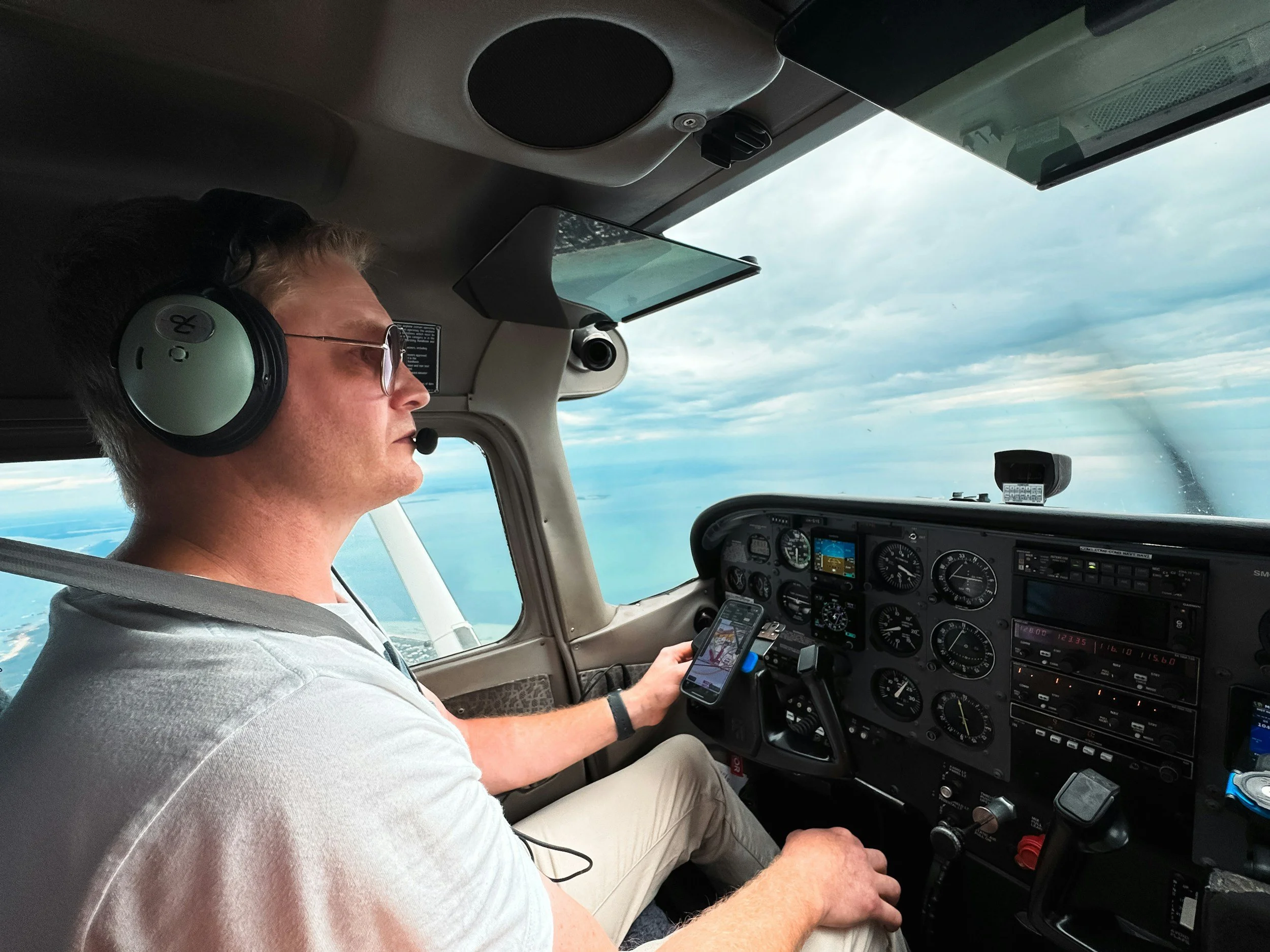
Ready to FLY?
Head back to the top of this page and start filling out the required paperwork today.
Then give us a call at (303) 465-4600 to schedule your first flight with us today.
We’re excited to partner with you in your training journey!